You’re scrolling through the oral care aisle at the chemist, staring at a wall of at-home whitening kits that promise a brighter smile in days. Then you remember your dentist mentioned professional take-home whitening during your last appointment. Both claim to whiten teeth at home, both seem convenient, so what’s actually different?
The short answer: quite a lot. While both options aim to lighten tooth colour, the similarities largely end there. The concentration of whitening agents, custom fit, professional supervision, and predictability of results vary significantly between professional take-home systems and over-the-counter products. Let’s break down what actually separates them so you can make an informed choice about whitening your teeth.
The Active Ingredient: Concentration Matters
Both professional and over-the-counter at-home whitening kits typically use either hydrogen peroxide or carbamide peroxide as their active ingredient. These bleaching agents penetrate tooth enamel to break down stains. However, the concentration levels differ substantially.
Over-the-counter products:
- Usually contain hydrogen peroxide concentrations between 3% and 10%
- Limited by regulations to protect consumers from misuse
- Require longer wear time or more applications to see results
Professional take-home kits:
- Contain higher concentrations, typically 10% to 35% carbamide peroxide
- Dispensed under dental supervision after assessing tooth and gum health
- Achieve results more quickly due to higher active ingredient levels
According to the Australian Dental Association, professional-strength whitening agents are more effective at removing deeper stains, though they require proper guidance to use safely. The higher concentration doesn’t just mean faster results—it often means more predictable and longer-lasting whitening outcomes.
That said, higher concentration isn’t automatically better. Some teeth are more sensitive than others, and using strong bleaching agents without professional guidance can lead to discomfort or damage to gums and enamel.
Custom Fit vs One-Size-Fits-All
Perhaps the most noticeable difference between professional and over-the-counter at-home whitening kits is how they fit your teeth.
Over-the-counter trays:
- Generic, boil-and-bite trays or universal strips
- May not fit your teeth precisely
- Can allow whitening gel to leak onto gums, causing irritation
- Often fail to make full contact with all tooth surfaces
Professional custom trays:
- Custom trays created from impressions of your actual teeth
- Fit precisely against each tooth surface
- Keep whitening gel where it belongs (on your teeth, not your gums)
- Ensure even coverage for consistent results
The custom fit matters more than you might think. When whitening gel doesn’t make proper contact with your teeth, you end up with patchy results. When it leaks onto your gums, you experience unnecessary sensitivity and irritation. Professional trays solve both problems by fitting your unique dental anatomy exactly.
If you’re considering cosmetic dentistry beyond whitening, professional trays also allow your dentist to control which teeth are whitened—important if you have crowns, veneers, or other restorations that won’t respond to bleaching.
Professional Supervision and Safety
Here’s where professional at-home whitening kits really distinguish themselves: you’re not doing this alone.
What professional supervision provides:
- Pre-treatment assessment – Your dentist examines your teeth and gums to ensure whitening is appropriate and safe
- Identification of contraindications – Certain conditions (severe tooth decay, gum disease, extreme sensitivity) mean whitening should wait
- Personalised instructions – Guidance on how long to wear trays, how often to apply gel, and what to do if sensitivity occurs
- Ongoing support – Access to professional advice if you experience problems during treatment
Over-the-counter products come with generic instructions printed on the box. If something goes wrong, you’re left troubleshooting on your own or seeking emergency dental care.
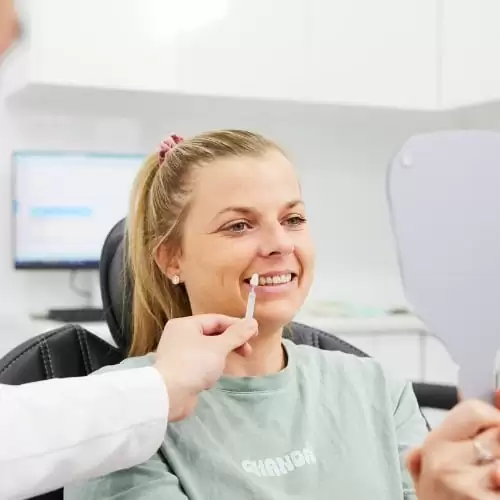
Professional supervision also means realistic expectations. Your dentist can explain what’s achievable given your tooth colour, the type of stains you have, and any existing dental work. Over-the-counter products can’t offer this personalised assessment, which often leads to disappointment when results don’t match the dramatic before-and-after photos on the packaging.
Types of Stains and Treatment Effectiveness
Not all tooth discolouration responds equally to whitening, and professional take-home systems are generally more effective across different stain types.
Extrinsic stains (surface stains from coffee, tea, wine, smoking):
- Both professional and over-the-counter products can address these
- Professional systems typically work faster
Intrinsic stains (within the tooth structure from ageing, medication, or trauma):
- Require stronger concentrations to penetrate enamel
- Professional at-home whitening kits are more effective
- Over-the-counter products may produce minimal results
Tetracycline staining (distinctive grey or brown banding):
- Notoriously difficult to whiten
- May require professional treatment or alternative cosmetic solutions
- Over-the-counter products rarely make noticeable difference
If you’ve tried over-the-counter whitening without success, the issue might not be the concept of at-home whitening—it might be that your stains require professional-strength treatment. A consultation can determine whether teeth whitening is appropriate or if other cosmetic dentistry options would better achieve your goals.
Cost Considerations and Long-Term Value
Let’s address the obvious: over-the-counter at-home whitening kits are cheaper upfront. You can pick up strips or trays for $30 to $100. Professional take-home systems typically cost several hundred dollars.
However, cost comparison isn’t quite that simple.
Over-the-counter products:
- Lower initial investment
- May require multiple boxes to achieve desired results
- Results often fade more quickly
- No professional guidance if problems arise
Professional take-home systems:
- Higher upfront cost
- Achieve results more efficiently
- Custom trays can be reused with additional gel purchases
- Longer-lasting results
- Professional support throughout treatment
When you factor in the need to repeatedly purchase over-the-counter products and the potential for inconsistent results, professional systems often provide better value over time. Plus, you’re left with custom trays that you can use for maintenance whitening with additional gel, rather than buying entirely new kits repeatedly.
Many dental practices, including Dove Dental, offer payment plans that make professional at-home whitening kits more accessible.
Which Option Is Right for You?
The answer depends on your specific situation, expectations, and budget.
Over-the-counter might be appropriate if:
- You have mild surface staining
- You’re looking for subtle improvement rather than dramatic results
- Budget is your primary concern
- Your teeth and gums are healthy (though you should verify this with a dental check-up first)
Professional take-home kits make more sense if:
- You want predictable, noticeable results
- You have intrinsic staining or stubborn discolouration
- You experience tooth sensitivity and want professional guidance
- You have existing dental work and need customised treatment
- You value professional supervision and support
It’s worth noting that even if you start with over-the-counter products, you can always transition to professional options if you’re not satisfied with the results. However, starting with a professional assessment can save you time, money, and disappointment by identifying the most appropriate solution from the beginning.
The Bottom Line
At-home whitening kits from the chemist and professional take-home systems aren’t really comparable products—they serve different needs and deliver different outcomes. Over-the-counter options provide a low-cost entry point for mild whitening, while professional systems offer customisation, stronger formulations, and expert guidance for more effective and predictable results.
The best choice depends on your goals, your teeth, and your expectations. If you’re serious about whitening your smile and want results that last, professional take-home whitening combines the convenience of at-home treatment with the expertise and effectiveness of dental-grade products.
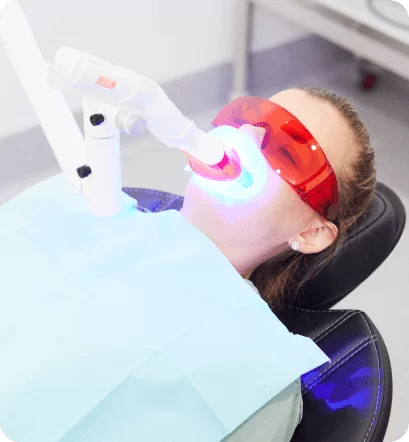
At Dove Dental, we provide comprehensive whitening consultations to assess your teeth, discuss your goals, and recommend the approach that makes sense for your situation. Whether that’s professional take-home whitening, in-chair treatment, or a combination approach, we’ll explain your options clearly.
Ready to Whiten Your Smile?
If you’re considering at-home whitening kits and want professional guidance on which option will work best for you, we’re here to help. Our team at Dove Dental Waurn Ponds will assess your teeth, answer your questions, and create a whitening plan tailored to your needs.
Call us today on (03) 8104 9404 to book your whitening consultation, or complete our online enquiry form to learn more about professional take-home whitening options.
Frequently Asked Questions
How long does it take to see results with professional take-home whitening?
Most patients notice visible improvement within three to seven days, with full results typically achieved in two to three weeks. This varies based on the severity of staining and the concentration of whitening gel used. Over-the-counter products often require four to six weeks or longer.
Will whitening damage my tooth enamel?
When used correctly, both professional and over-the-counter whitening products are safe and don’t damage enamel. However, overuse or misuse can lead to sensitivity and gum irritation. Professional supervision helps ensure you’re whitening safely and effectively.
Can I whiten my teeth if I have crowns or veneers?
Whitening products only work on natural tooth enamel. They won’t change the colour of crowns, veneers, fillings, or other restorations. If you have visible restorations, your dentist can help you develop a treatment plan that addresses this, which might include replacing restorations after whitening to match your new tooth colour.