You spent years in braces as a teenager. You diligently attended adjustment appointments, avoided sticky lollies, and finally got them off to reveal a perfectly straight smile. Fast forward a decade or two, and you’ve noticed something unsettling: your teeth have shifted. That gap between your front teeth is back, or perhaps there’s crowding where there used to be perfect alignment.
Welcome to orthodontic relapse, one of the more frustrating realities of dental treatment. The good news? You’re far from alone, and there are effective orthodontic relapse solutions available. But before jumping back into treatment, there are several considerations worth exploring to ensure you get lasting results this time around.
Why Did Your Teeth Shift in the First Place?
Before discussing solutions, it helps to understand why relapse happens. Teeth aren’t cemented into your jawbone—they’re held in place by a network of fibres called the periodontal ligament. These fibres have memory, and they naturally want to pull your teeth back to their original positions.
Common causes of orthodontic relapse:
- Inadequate retainer wear – This is the most common culprit. If you stopped wearing your retainer too soon, your teeth likely drifted back
- Lost or broken retainers – Life happens, and retainers get misplaced or damaged
- Wisdom teeth eruption – Some research suggests wisdom teeth can create pressure that causes crowding
- Natural ageing – Your jaw continues to change throughout life
- Grinding or clenching – Habitual bruxism can gradually shift teeth over time
According to the Australian Society of Orthodontists, some degree of relapse is common even with perfect retainer compliance, though the extent varies significantly. Understanding what caused your relapse will inform which orthodontic relapse solutions are most appropriate.
Is Retreatment Really Necessary?
Not every case of relapse requires treatment. Before committing to orthodontic relapse solutions, consider whether the shift is primarily cosmetic or if it’s affecting your oral health.
Questions to ask yourself:
- Is it causing functional problems? If the relapse is affecting your bite, causing jaw pain, or making it difficult to clean your teeth properly, treatment is worth considering
- How much has changed? Minor shifts might not warrant full retreatment
- What are your aesthetic goals? Only you can decide if the cosmetic aspect bothers you enough to pursue treatment
At Dove Dental, we assess relapse cases with both function and aesthetics in mind. Sometimes the solution is as simple as wearing a retainer consistently. Other times, active treatment with braces or clear aligners is the better path.
Orthodontic Relapse Solutions: What Are Your Options?
If you’ve decided that retreatment makes sense, several orthodontic relapse solutions are available. The right choice depends on the severity of your relapse, your lifestyle, and your budget.
Traditional Braces
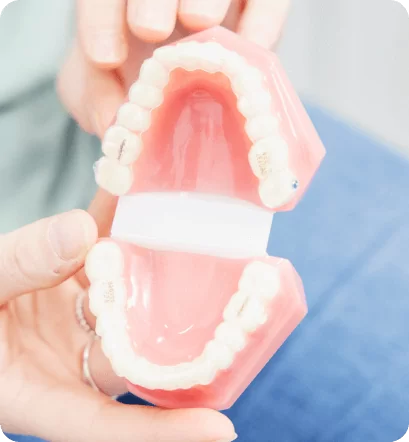
Modern braces are smaller and more comfortable than what you might remember from your teenage years.
When braces make sense:
- You have significant crowding or spacing issues
- Your bite needs correction
- You want the most predictable outcome for complex movements
- Cost is a primary consideration
Traditional braces work well for orthodontic relapse solutions when the shift is substantial. If you’re exploring options beyond relapse, our braces page has additional information about what modern orthodontic treatment involves.
Clear Aligners
Clear aligner systems have become increasingly popular for adults seeking orthodontic relapse solutions. These removable trays are discreet, comfortable, and effective for mild to moderate relapse.
When clear aligners make sense:
- Your relapse is mild to moderate
- You want a less visible treatment option
- You’re disciplined about wearing them 20 to 22 hours daily
- You prefer the ability to remove them for eating and special occasions
Treatment duration varies but typically ranges from several months to two years depending on complexity. If you’re interested in this approach, Invisalign is one system we offer at Dove Dental.
Retainers Alone
Sometimes the solution is simpler than you think. If your relapse is minimal, your old retainer (if it still fits) or a new retainer might be enough to guide teeth back.
When retainers alone might work:
- The shift is very recent and minor
- Your teeth haven’t moved significantly
- You’re committed to consistent wear
This is the least invasive orthodontic relapse solution, though it only works for specific cases.
Important Considerations Before Starting Treatment
Retreatment isn’t simply a repeat of your first orthodontic experience. There are specific considerations that apply to orthodontic relapse solutions.
Previous Dental Work Matters
If you’ve had dental work since your first round of braces—crowns, bridges, veneers, or other cosmetic dentistry—this will influence your treatment plan. Some restorations can’t have brackets bonded to them, and others may need adjustment during or after orthodontic treatment.
Retention Is Critical This Time
Let’s be blunt: if inadequate retainer wear caused your relapse the first time, it’s likely to happen again without proper commitment. Permanent retainers (bonded to the back of your teeth) are often recommended for retreatment cases to prevent future shifting.
Be honest with yourself about whether you’ll wear a removable retainer consistently. If the answer is no, discuss permanent options upfront.
Cost and Time Investment
Orthodontic relapse solutions require both financial investment and time. Treatment can range from several months to two years depending on complexity. Costs vary based on the treatment type and extent of correction needed.
Many dental practices, including Dove Dental, offer payment plans to make treatment more accessible. It’s worth discussing financial options during your consultation.
Underlying Issues Need Addressing
If your relapse was caused by factors like teeth grinding, these issues need management alongside orthodontic treatment. Otherwise, the same forces that caused relapse once will cause it again.
Your dentist might recommend a night guard for bruxism or address other contributing factors as part of your comprehensive treatment plan.
The Bottom Line
Orthodontic relapse is frustrating, but it’s not the end of the story. Whether your teeth have shifted slightly or significantly, there are effective orthodontic relapse solutions available. The key is approaching retreatment with realistic expectations and a commitment to retention afterwards.
Before starting treatment, consider why the relapse occurred, what your functional and aesthetic goals are, and which treatment option best fits your lifestyle. Most importantly, be honest about your ability to comply with retention protocols—because this time, you want results that last.
At Dove Dental, we work with patients dealing with orthodontic relapse regularly. We’ll assess your specific situation, explain your options clearly, and help you make an informed decision about whether retreatment makes sense for you.
Ready to Discuss Your Options?
If you’ve experienced orthodontic relapse and want to explore solutions, we’re here to help. Our team at Dove Dental Waurn Ponds will assess your smile, discuss treatment options, and create a plan tailored to your needs and goals.
Call us today on (03) 8104 9404 to book your consultation, or complete our online enquiry form to learn more about orthodontic relapse solutions.
Frequently Asked Questions
How long does retreatment take compared to initial orthodontic treatment?
Retreatment often takes less time than initial treatment because the movements required are typically less extensive. Minor relapse might be corrected in six to twelve months, while more significant shifts could take 18 to 24 months. Your specific timeline depends on the severity of relapse and the treatment method chosen.
Will my dental insurance cover retreatment for orthodontic relapse?
This varies by policy. Some insurance plans provide orthodontic coverage once per lifetime, which may have been used during your initial treatment. Others offer coverage for retreatment under certain circumstances. Check with your insurer about your specific coverage and any waiting periods that might apply.
Can I prevent relapse from happening again after retreatment?
Yes, with proper retention. Permanent retainers bonded to the back of your teeth offer the most reliable prevention, though removable retainers work well if worn consistently. Your dentist will recommend the best retention strategy based on your relapse history and lifestyle factors.