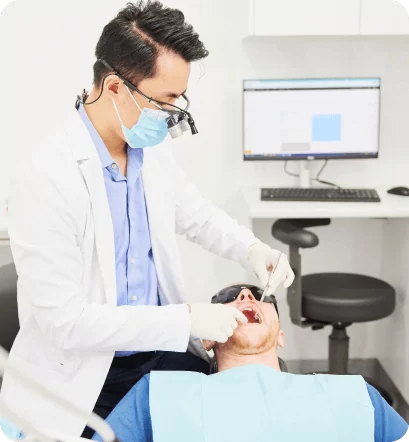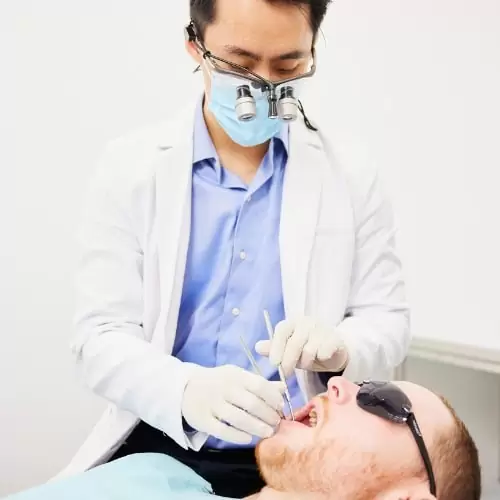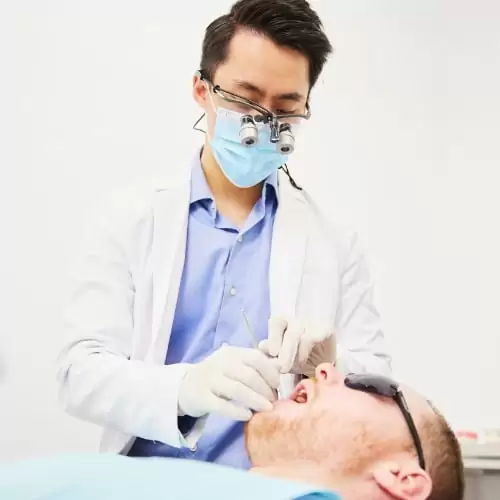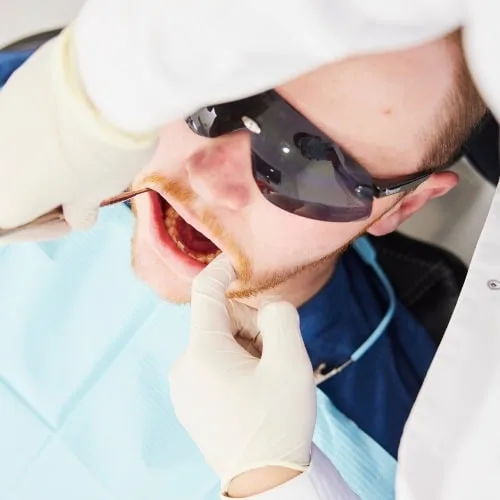
You’re sitting in the dentist’s chair for what seems like a straightforward clean, when suddenly your dentist starts pointing out things you never even noticed. A tiny dark spot here, some bleeding there, perhaps a comment about plaque buildup that makes you wonder if you’ve been brushing properly at all.
Here’s the thing about dental problems, they’re remarkably good at flying under the radar. According to the Australian Institute of Health and Welfare, tooth decay affects 90% of Australian adults, yet many don’t realise they have it until it’s causing serious discomfort. That’s precisely why your routine dental clean isn’t just about making your teeth sparkle; it’s about catching the troublemakers before they turn into major headaches.
At Dove Dental, we’ve seen it all, from the tiniest cavity that’s barely visible to advanced gum disease that’s been silently wreaking havoc for months. Most dental problems are entirely preventable when caught early, and that’s exactly what we’re looking for during every routine appointment.
The Tooth Decay Detective Work
When we say “dental decay detection,” we’re conducting a thorough investigation, armed with specialised tools and years of training to spot things that would be invisible to the untrained eye.
What we look for:
- White spots or chalky areas on teeth (the very first sign of mineral loss)
- Light brown discolouration indicating early cavity formation
- Dark lines or spots in the grooves of back teeth
- Rough or sticky feeling areas when we run our probe across the tooth surface
- Translucent or worn-looking enamel, particularly on front teeth
The fascinating thing about early decay is that it often doesn’t hurt at all. Pain typically only arrives when the decay has worked its way through the outer enamel layer and reached the sensitive inner parts of your tooth. By then, what could have been a simple filling might require more extensive restorative dentistry treatment.
We use specialised dental probes to gently test suspicious areas, they’re designed to catch on areas where the tooth structure has softened, even when the damage isn’t visible to the naked eye. Modern digital X-rays reveal decay hiding between teeth or beneath existing fillings, areas impossible to see during visual examination.
Gum Disease: The Stealthy Destroyer
Gum disease is particularly sneaky because it often progresses without obvious symptoms. According to the Australian Dental Association, periodontal disease affects three out of four Australian adults over 35, yet many don’t realise they have it.
Warning signs we check for:
- Bleeding gums, even with gentle probing (healthy gums don’t bleed)
- Red, swollen, or tender gum tissue
- Gums that have started to pull away from teeth, creating small pockets
- Persistent bad breath that doesn’t resolve with brushing
- Changes in gum colour from healthy pink to darker red or purple
The most telling sign is often bleeding during cleaning. Many patients apologise when their gums bleed, thinking they haven’t been brushing well enough. While poor oral hygiene contributes to the problem, bleeding gums are always a signal that inflammation is present and intervention is needed.
One of the most important checks we perform is measuring periodontal pocket depths. Using a special ruler-like instrument, we gently probe around each tooth. Healthy gums typically have pocket depths of 1-3mm. When pockets measure 4mm or deeper, it indicates gum disease is present. The deeper the pockets, the more advanced the condition.
The Plaque and Tartar Investigation
Plaque is that sticky film forming on your teeth throughout the day, it’s actually a complex community of bacteria living quite happily in your mouth. When plaque isn’t removed regularly, it hardens into tartar, which can only be removed with professional dental instruments.
During your routine clean, we’re not just removing these deposits for cosmetic reasons. Plaque and tartar are the primary culprits behind both tooth decay and gum disease. The bacteria in plaque produce acids that attack tooth enamel, while also irritating gums and causing inflammation.
Where we pay closest attention:
- Along the gum line, where plaque loves to accumulate
- Between teeth, particularly back molars that are harder to clean
- Behind lower front teeth, where saliva deposits often cause tartar buildup
- Around existing dental work like crowns or fillings
- Areas where teeth are crowded or overlapping (which Invisalign can help address)
What Happens When We Spot Something
Finding problems early is always preferable to waiting until they cause pain. When we detect early signs of decay, we might recommend:
- Fluoride treatments to help remineralise weakened enamel
- Dental sealants to protect vulnerable grooves in back teeth
- Simple fillings for small cavities before they grow larger
- Improved oral hygiene techniques tailored to your specific needs
For early gum disease, treatment might involve:
- Deep cleaning procedures to remove tartar below the gum line
- More frequent professional cleanings to keep inflammation under control
- Antimicrobial treatments to reduce harmful bacteria
The beauty of catching problems early is that treatment is typically simpler, less expensive, and more comfortable than waiting until problems become severe. Sometimes, despite our best detective work, we discover problems that have progressed beyond early stages. This is where Dove Dental’s comprehensive treatment options become valuable, from cosmetic dentistry solutions to full arch implants for patients who have experienced significant tooth loss.
Your Role in Prevention
While professional dental decay detection is crucial, you’re on the front lines of your oral health every day. Pay attention to changes in your mouth and maintain daily prevention strategies: brush twice daily with fluoride toothpaste, floss daily, use antibacterial mouthwash if recommended, and limit sugary and acidic foods.
The Australian Dental Association recommends dental check-ups every six months for most people, though some patients with higher risk factors might need more frequent visits. Regular appointments allow us to track changes over time and catch problems at their earliest, most treatable stages.
Conclusion
Your routine dental clean is a comprehensive health assessment that can catch problems months or even years before they would otherwise become apparent. From the earliest signs of tooth decay to the subtle beginnings of gum disease, professional dental decay detection is your first line of defence against serious oral health problems.
Early detection means simpler treatment, better outcomes, and often significant cost savings. At Dove Dental, we believe in the power of prevention and are committed to helping you maintain optimal oral health throughout your life.
Ready to Stay Ahead of Dental Problems?
Don’t wait for pain or obvious symptoms to book your next dental appointment. Our experienced team at Dove Dental in Waurn Ponds provides comprehensive dental care with warm, professional service.
Call us today on (03) 8104 9404 to book your routine clean and comprehensive oral health assessment.
You can also complete our online enquiry form, and we’ll contact you to arrange an appointment at your convenience.
Frequently Asked Questions
How often should I have a routine dental clean and check-up?
Most patients should visit every six months, though some people with gum disease or frequent cavities may need more frequent visits. We’ll recommend the ideal interval for your specific needs.
Will my routine clean hurt if I have early gum disease?
You might experience some sensitivity during cleaning if your gums are inflamed, but this typically improves after professional treatment. We use gentle techniques and can apply topical anaesthetic if needed.
Can early tooth decay be reversed without drilling and filling?
Very early decay that hasn’t yet formed a cavity can sometimes be reversed with fluoride treatments, improved oral hygiene, and dietary changes. However, once a cavity has formed, a filling is typically necessary.