You’ve tried every whitening toothpaste on the market. You’ve done professional whitening treatments twice. You’ve even attempted those at-home kits promising Hollywood smiles. Yet when you look in the mirror, those dark, greyish stains are still staring back at you, seemingly immune to every whitening attempt.
If this sounds familiar, you’re dealing with what dentists call intrinsic stains. These are discolourations that originate from within the tooth structure itself. Unlike surface stains from coffee or wine, these deep-seated discolourations are often the result of childhood antibiotics, trauma, or developmental issues.
At Dove Dental in Waurn Ponds, we regularly see patients who’ve become frustrated with the limitations of whitening treatments. The good news is that porcelain veneers offer an elegant solution for intrinsic stain coverage, transforming even the most severely discoloured teeth into stunning, natural-looking smiles.
Understanding Why Some Stains Won’t Budge
To understand how porcelain veneers achieve effective intrinsic stain coverage, it’s helpful to know why certain discolourations resist traditional whitening methods. Tooth discolouration falls into two main categories.
Extrinsic stains:
- Caused by coffee, tea, wine, smoking, or certain foods
- Sit on the tooth surface and penetrate slightly into enamel
- Usually respond well to professional whitening treatments
Intrinsic stains:
- Originate from within the tooth during development or after trauma
- Affect the inner dentin layer of the tooth
- Resistant to traditional whitening methods
- Require alternative treatment approaches for effective coverage
According to the Australian Dental Association, intrinsic stains affect approximately 20% of adults and are often the result of tetracycline antibiotics taken during childhood, fluorosis from excessive fluoride exposure, or trauma that damaged the tooth’s internal structure.
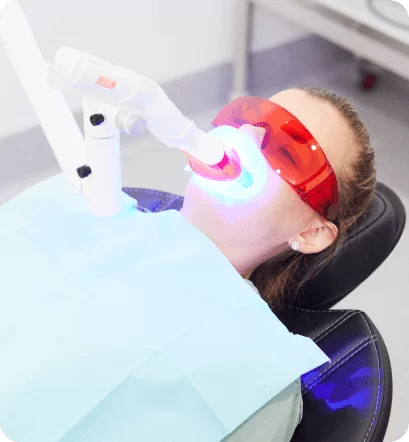
The reason intrinsic stains resist whitening is simple: bleaching agents work by breaking down stain molecules on or near the tooth surface. When discolouration originates deep within the tooth structure, whitening agents simply can’t penetrate deeply enough to be effective.
Common Causes of Treatment-Resistant Stains
Tetracycline Staining: Perhaps the most notorious cause of intrinsic stains, tetracycline antibiotics given to children under eight years old can bind to developing tooth structures, creating characteristic grey or brown banding that’s virtually impossible to whiten effectively.
Dental Fluorosis: Excessive fluoride intake during tooth development can cause white or brown spots and streaking that resist conventional whitening treatments. While mild fluorosis might respond partially to whitening, severe cases typically require veneer coverage.
Trauma-Related Discolouration: When a tooth suffers trauma, blood vessels inside can rupture, causing the tooth to darken from within. This type of discolouration often appears grey or dark brown and rarely responds to external whitening treatments.
Genetic Factors: Some people are born with naturally darker or more yellow tooth structures that simply don’t respond well to bleaching agents, regardless of the strength or frequency of treatment.
How Porcelain Veneers Provide Complete Coverage
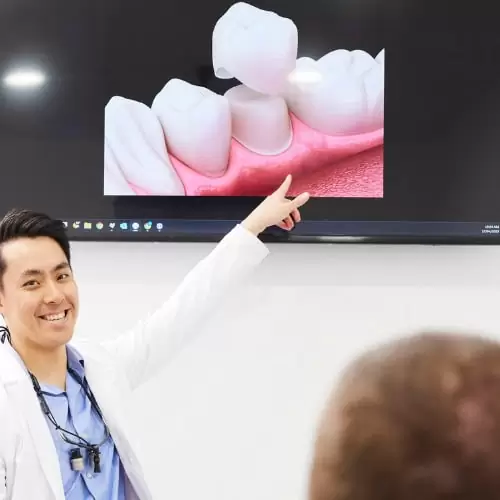
Porcelain veneers achieve effective intrinsic stain coverage through their unique optical properties and construction. Unlike whitening treatments that attempt to change the tooth’s colour from within, veneers simply cover the discoloured surface with a new, perfectly coloured exterior.
- Complete opacity control allows for masking even the darkest underlying stains
- Custom colour matching ensures natural integration with surrounding teeth
- Layered construction mimics the natural translucency of healthy tooth enamel
- Permanent solution that doesn’t fade or discolour over time
Modern porcelain veneers are crafted in thin layers, allowing technicians to build opacity gradually until even severe intrinsic stains are completely masked. The innermost layer provides the primary colour and opacity needed for stain coverage, while outer layers add translucency and natural depth.
Today’s porcelain materials offer superior intrinsic stain coverage compared to older veneer systems. High-strength ceramics can be made sufficiently opaque to block even tetracycline staining while maintaining a natural appearance that’s indistinguishable from healthy tooth enamel.
The Treatment Process for Severe Stains
Achieving effective intrinsic stain coverage with porcelain veneers requires careful planning and execution, particularly for severe discolouration cases.
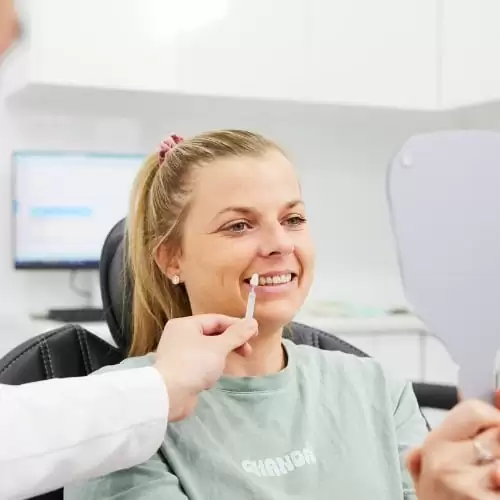
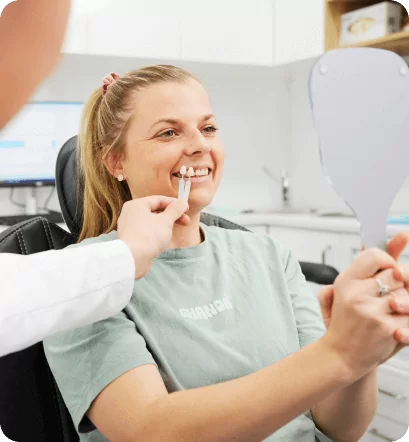
Assessment and Planning: The first step involves determining the type and severity of staining. Digital photography and shade analysis help establish baseline colours and determine how much opacity will be needed for complete coverage.
Preparation Considerations: Severely stained teeth sometimes require slightly more aggressive preparation than normal veneer cases. This additional space allows for sufficient porcelain thickness to achieve complete opacity without creating an unnaturally bulky appearance.
Laboratory Work: Success with intrinsic stain coverage depends heavily on clear communication with the dental laboratory. Detailed photographs, shade guides, and specific instructions about opacity requirements ensure the final veneers achieve complete stain masking.
Design Considerations for Natural Results
The challenge with intrinsic stain coverage isn’t just achieving opacity. It’s doing so while maintaining a natural appearance that doesn’t look obviously artificial.
- Gradual opacity transitions prevent harsh colour lines between treated and untreated teeth
- Surface texture that mimics natural tooth enamel characteristics
- Appropriate translucency in areas where complete opacity isn’t needed
- Colour harmony with existing teeth or planned treatment of adjacent teeth
Sometimes the best approach for intrinsic stain coverage involves treating multiple teeth to create a harmonious result. Trying to perfectly match severely discoloured teeth to normal ones can result in an artificial appearance that draws attention rather than creating natural beauty.
Comparing Treatment Options
While porcelain veneers excel at intrinsic stain coverage, it’s worth understanding how they compare to other treatment options for severe discolouration.
Crowns for Stain Coverage: Full crowns can also mask intrinsic stains effectively but require more extensive tooth preparation. They’re typically reserved for teeth that also have structural problems or large existing restorations.
Internal Bleaching: For single darkened teeth following trauma, internal bleaching may be attempted before veneer treatment. However, success rates are variable, and the procedure may need repeating over time.
Composite Bonding: While less expensive initially, composite materials generally can’t achieve the same level of intrinsic stain coverage as porcelain, particularly for severe tetracycline staining or fluorosis.
At Dove Dental, we often recommend cosmetic dentistry approaches that combine treatments for optimal results. Sometimes whitening surrounding teeth before veneer placement creates better overall colour harmony.
Maintenance and Longevity
Once porcelain veneers achieve effective intrinsic stain coverage, maintaining that beautiful result requires appropriate care and regular professional monitoring.
- Regular brushing and flossing to maintain gum health around veneers
- Avoiding excessive force from grinding or clenching
- Professional cleanings every six months
- Protective mouthguards for sports or nighttime grinding
Well-maintained porcelain veneers typically last 10-15 years before replacement consideration. The intrinsic stain coverage remains stable throughout this period, unlike whitening treatments that may fade over time.
Setting Realistic Expectations
While porcelain veneers provide excellent intrinsic stain coverage, it’s important to understand both their capabilities and limitations.
Veneers reliably cover:
- Tetracycline staining of any severity
- Fluorosis spots and streaking
- Single darkened teeth from trauma
- Age-related yellowing resistant to whitening
- Genetic discolouration that doesn’t respond to bleaching
What to keep in mind:
- Treatment involves permanent alteration of natural tooth structure
- Initial investment is higher than whitening treatments
- Some dietary and habit modifications may be recommended
- Replacement will eventually be needed
The key is honest discussion about your goals, expectations, and timeline. Veneers offer a permanent solution for intrinsic stain coverage, but they represent a significant commitment to maintaining your oral health.
Conclusion
When whitening treatments fail to address severe tooth discolouration, porcelain veneers provide an effective solution for intrinsic stain coverage. Their ability to completely mask even the most stubborn stains while creating natural-looking results makes them the gold standard for addressing treatment-resistant discolouration.
At Dove Dental, we understand that severe staining can significantly impact your confidence and quality of life. Our experience with complex cosmetic cases means we can help you achieve the beautiful, natural-looking smile you’ve been seeking, even when other treatments have failed.
The key to successful intrinsic stain coverage lies in careful treatment planning, skilled execution, and realistic expectations. With proper care, porcelain veneers can provide decades of stain-free, beautiful smiles that would be impossible to achieve through whitening alone.
Ready to Finally Conquer Stubborn Stains?
Don’t let treatment-resistant discolouration continue limiting your confidence. Discover how porcelain veneers can provide the complete stain coverage you’ve been seeking.
Call us today on (03) 8104 9404 to schedule your cosmetic consultation.
Complete our online enquiry form, and we’ll assess your specific staining concerns and design a treatment plan that achieves your ideal smile.
Frequently Asked Questions
How do I know if my stains are intrinsic and won’t respond to whitening?
Intrinsic stains are typically greyish or brownish, often with banding patterns, and have usually been present since childhood or following trauma. If professional whitening hasn’t been effective, or if you have a history of tetracycline use, intrinsic staining is likely.
Will veneers look natural if my stains are very severe?
Yes, modern porcelain materials and techniques can achieve complete intrinsic stain coverage while maintaining a natural appearance. The key is sufficient veneer thickness and proper opacity design to fully mask underlying discolouration.
Can just one or two veneers blend naturally with my other teeth?
This depends on the severity of staining and colour differences. Sometimes treating additional teeth creates better overall harmony. We’ll show you various options during consultation to help you achieve the most natural-looking result.