Dental anxiety in a child is rarely about teeth. It is about the unknown, the noises, the lights, and the loss of control of sitting still while someone else works in their mouth.
Knowing this changes how a visit is run. The variables that actually matter are predictability, pace, and how much agency the child feels they have.
Here is how a dentist for a child with dental anxiety in the 3216 area can adapt the visit, and what you can do as a parent at each stage.
What Dental Anxiety in Children Actually Looks Like
Anxiety in young patients does not always present the way parents expect. Some children are openly tearful or refuse to enter the room. Others stay quiet but show physical signs that something is wrong.
Common signs to watch for:
- Stomach aches or feeling sick on the morning of an appointment
- Asking the same questions repeatedly about what will happen
- Withdrawal, becoming unusually quiet, or refusing to talk about the visit
- Tightening up or fidgeting in the chair
- Crying, freezing, or asking to leave
Recognising these signs early lets the dental team adjust before the visit becomes overwhelming. The aim is to keep the experience manageable, not to push through it.
How a Visit Can Be Adapted for an Anxious Child
There is no single technique that works for every child. What matters is having a few options available and the willingness to use them.
Practical adaptations that often help:
- A familiarisation visit, where the child meets the dentist, sits in the chair, and explores the room with no treatment planned
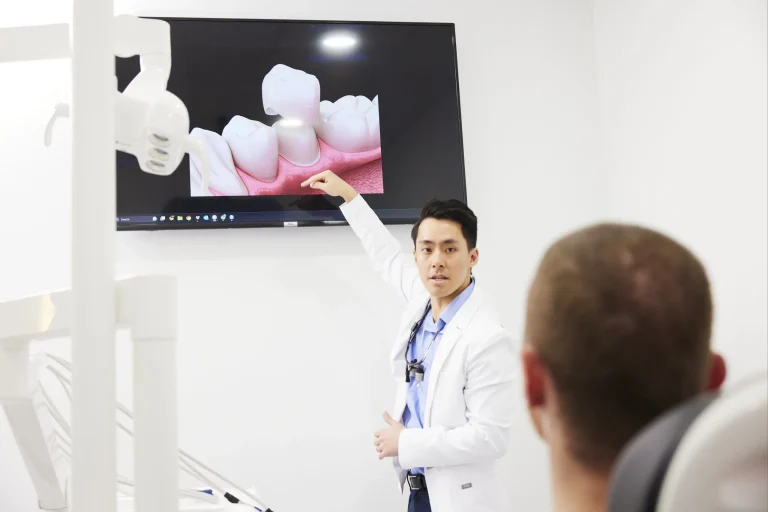
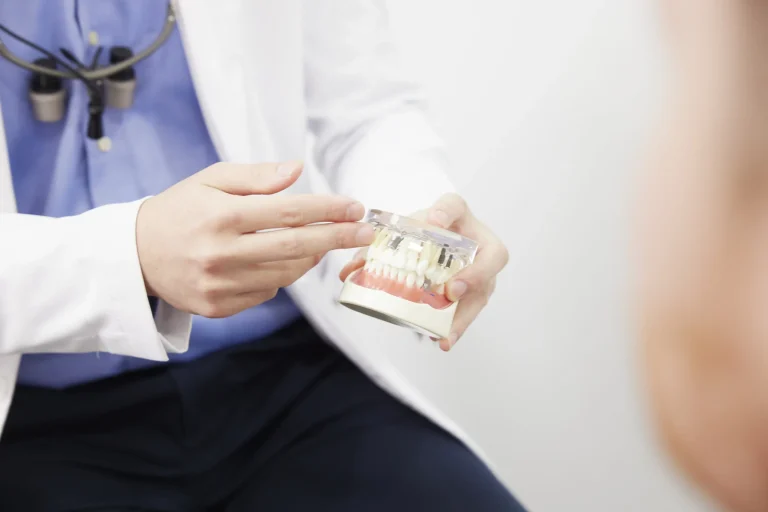
- Show, then tell, then do. Each tool or step is demonstrated and named before it is used
- Stop signals. The child can raise a hand or use an agreed gesture to pause at any time
- Shorter appointments, broken into multiple visits, so no single session has to do too much
- Distraction techniques, including a calm chat, music, or a quiet activity the child can focus on
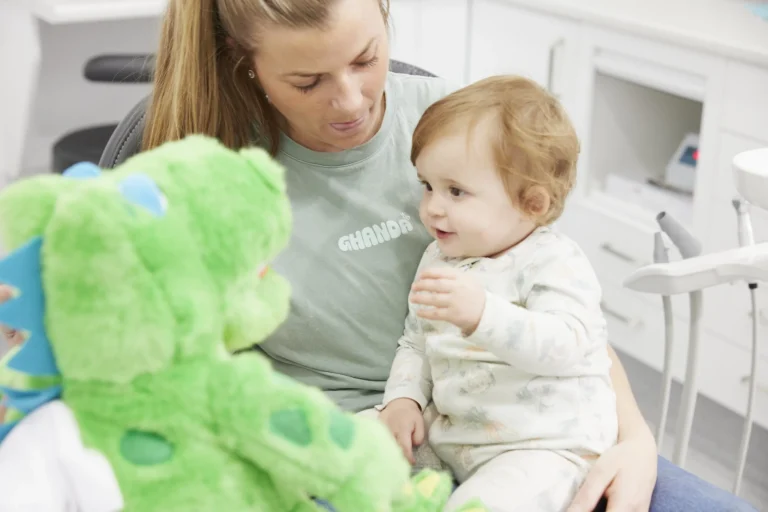
- A parent in the room throughout, sitting where the child can see them
Not every technique will suit every child. The team finds out what helps by paying attention and asking, rather than assuming.
What You Can Do Before the Appointment
How a visit is framed at home matters as much as what happens at the practice. A few practical things can ease the lead-up:
- Talk about the appointment positively in the days beforehand, without overpromising
- Avoid words like “hurt”, “pain”, “sharp”, or “needle”. Use neutral terms instead
- Read a children’s book about going to the dentist, or watch a calm video together
- Schedule the appointment for a time when your child is usually well rested, not late in the day
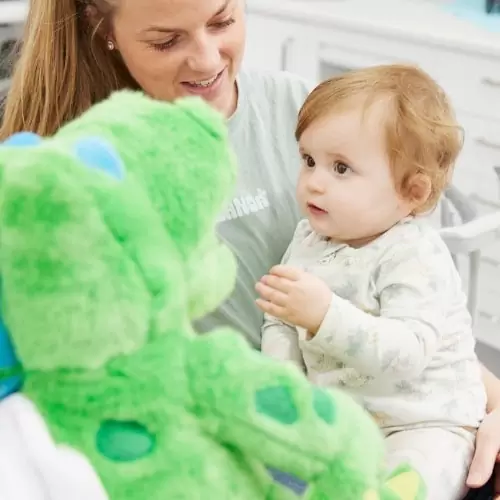
- Bring a favourite soft toy, blanket, or comfort item
If your child has had a difficult dental experience before, mention this when you book the appointment. The team will allow more time and plan the visit accordingly.
What to Expect at the Appointment
A first visit for an anxious child usually starts before the chair. The team will introduce themselves, talk to your child directly, and let them look around.
When the visit does move into the chair, the pace is set by your child. If they need a break, the team waits. If treatment was planned but the child is not ready, the dentist may suggest splitting it into a later visit.
Pushing through a difficult moment to finish the appointment can damage future visits. A short, positive first visit, even if it covers only one small thing, often sets up better future appointments than a long, fraught one.
When Extra Support Might Help
Some children’s anxiety responds well to the adaptations above. Others benefit from additional support.
If your child’s anxiety appears severe or is part of a broader pattern, it is worth speaking with your general practitioner or a child psychologist. Approaches like cognitive behavioural therapy can complement what a dental practice is able to do in the chair.
Some dental treatments can also be carried out with the support of sedation, where appropriate and after proper assessment. This is a separate conversation and one to have directly with the dental team if it becomes relevant.
How Dove Dental Approaches Anxious Visits
Dove Dental in Waurn Ponds, in the Geelong 3216 postcode, sees children with a range of anxiety levels. The team’s approach prioritises predictability, plain language, and the child’s pace.
Visits are planned to allow time, parents are welcomed into the room, and the practice supports a familiarisation appointment for children who have not yet had a positive dental experience. Extended hours, including early mornings and Saturdays, make it easier to find a time that suits your child’s natural rhythm.
What to Do Next
If you are looking for a dentist for a child with dental anxiety in the 3216 area, the most useful step is a conversation. Call (03) 8104 9404 to discuss your child’s history, what has helped before, and what has not.
You can also book a first visit online, mentioning in the notes that your child has some dental anxiety so the team can plan accordingly.
Dental treatment for children carries general risks, including sensitivity and the need for further visits. The dentist will explain these honestly.
Our friendly team at Dove Dental Waurn Ponds is here to help.